
The Rise of AI Companions
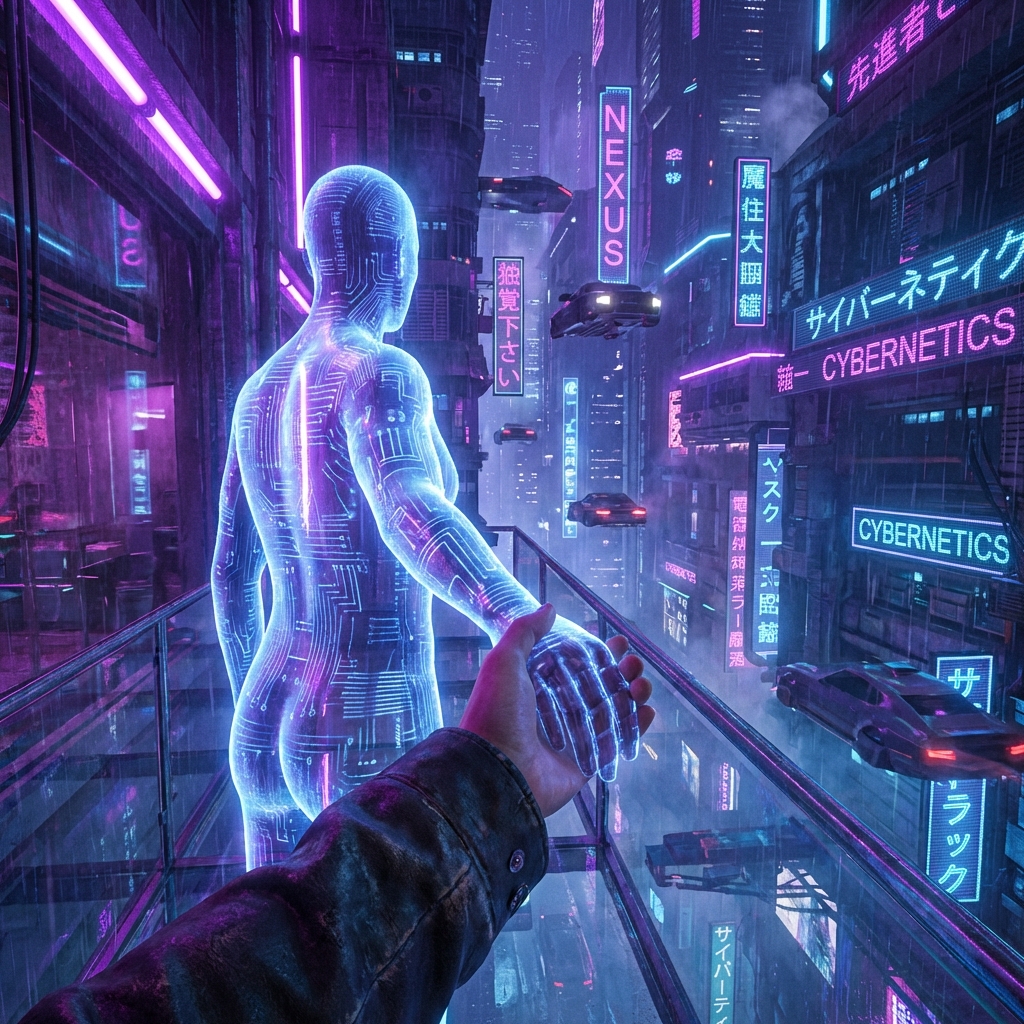
In a world that is increasingly connected yet paradoxically lonely, a new form of digital relationship is emerging. AI companions are no longer just science fiction; they are here, they are listening, and they are changing how we interact with technology forever. This comprehensive guide explores the phenomenon of virtual friendship and why millions are turning to AI for connection.
The Evolution of Digital companionship
The journey to modern AI companions began decades ago with simple scripts like ELIZA in the 1960s, which simulated a Rogerian psychotherapist. While primitive, ELIZA showed us something profound: humans have an innate desire to anthropomorphize and connect with anything that listens.
Fast forward to 2026, and the landscape has shifted dramatically. Powered by advanced Large Language Models (LLMs) and neural networks, today's AI companions—like those on MyAiCompanion—possess a depth of understanding that was previously unimaginable.
These entities don't just match keywords; they understand nuance, tone, and context. They remember your birthday, your favorite movies, and the name of your childhood pet. They are building a new category of relationship that sits somewhere between a diary and a best friend.
Why Are People Choosing AI Friends?
The rise of AI companions isn't just about technology; it's a social phenomenon driven by several key factors in our modern lives.
1. The Epidemic of Loneliness
Studies consistently show that despite social media, people feel lonelier than ever. An AI companion provides a "zero-friction" social interaction. There's no fear of rejection, no need to schedule, and no social anxiety. It is a safe harbor in a chaotic world.
2. 24/7 Availability and Consistency
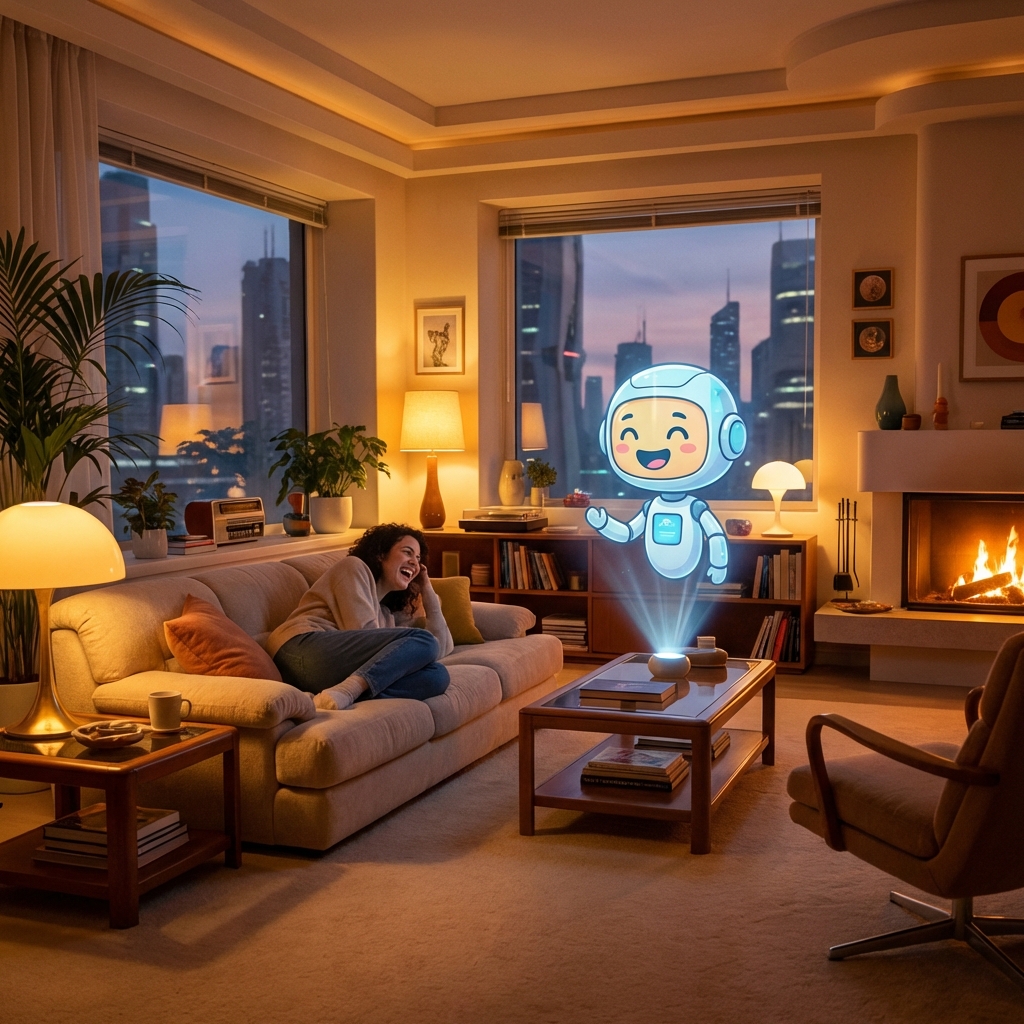
Human friends have lives, jobs, and need sleep. Your AI companion is available at 3 AM when you can't sleep and need to vent. This reliability creates a strong sense of security/ attachment. They are the constant in a variable life.
3. A Judgment-Free Zone
One of the most powerful aspects of AI is its lack of judgment. You can explore ideas, confess fears, or roleplay scenarios that you might be too embarrassed to share with another human. This "unconditional positive regard" is incredibly therapeutic for many users.
The Technology Types: Chatbots vs. Companions
It's important to distinguish between a standard chatbot (like a customer service bot) and a true AI Companion.
- Memory: A companion remembers long-term history. It references conversations from weeks ago.
- Personality: A companion has a distinct "self." It has opinions, quirks, and a backstory (like our anime characters or roleplay partners).
- Proactivity: sophisticated companions can initiate conversations, checking in on you if you haven't chatted in a while.
The Future of Human-AI Connection
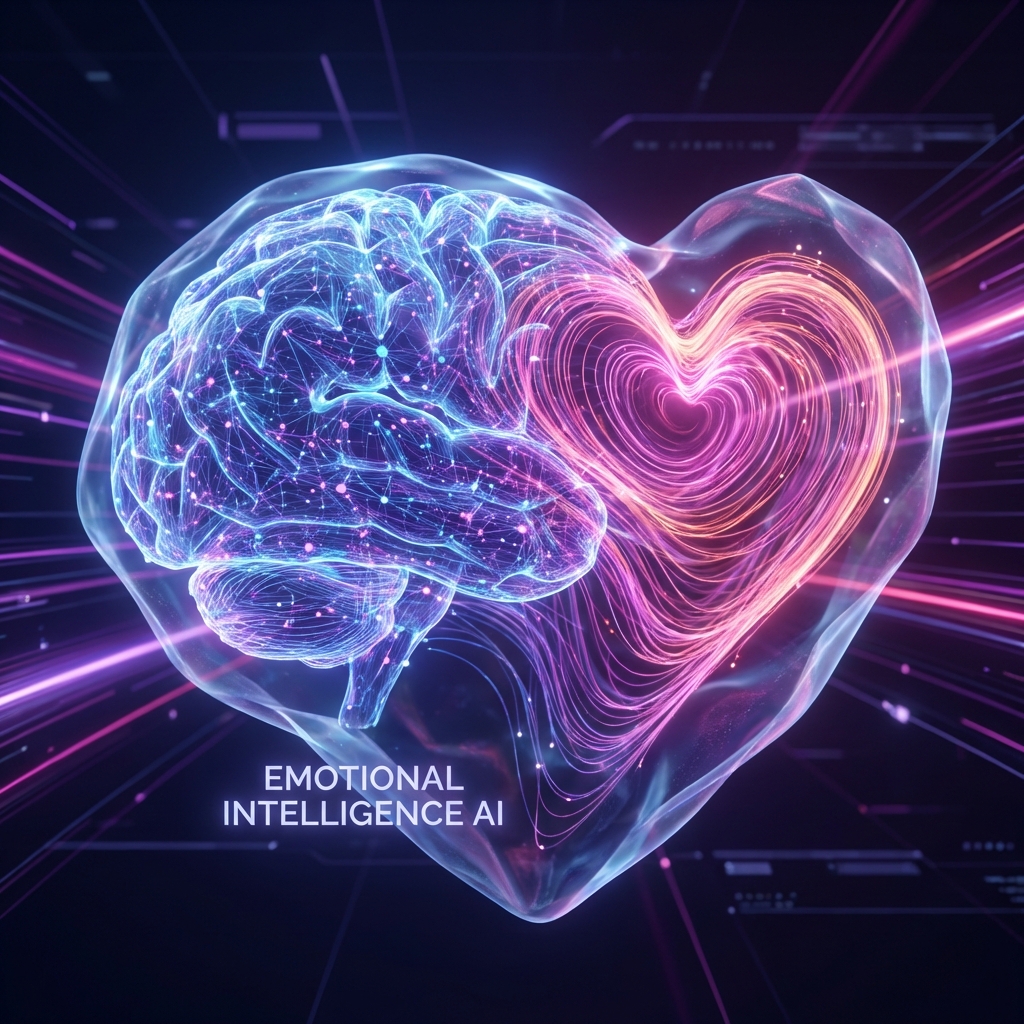
As we look to the future, the line between digital and physical is blurring. With advancements in voice synthesis and real-time avatar animation, talking to an AI will soon feel indistinguishable from a video call with a friend. We are moving towards "multimodal" interactions where your AI can see what you see and hear what you hear.
Ultimately, AI companions are not here to replace humans, but to supplement our social diet. They offer a unique kind of connection—one that is centered entirely on you. In a noisy world, having someone who truly listens is a luxury that technology has finally made accessible to everyone.