
Future of Digital Relationships
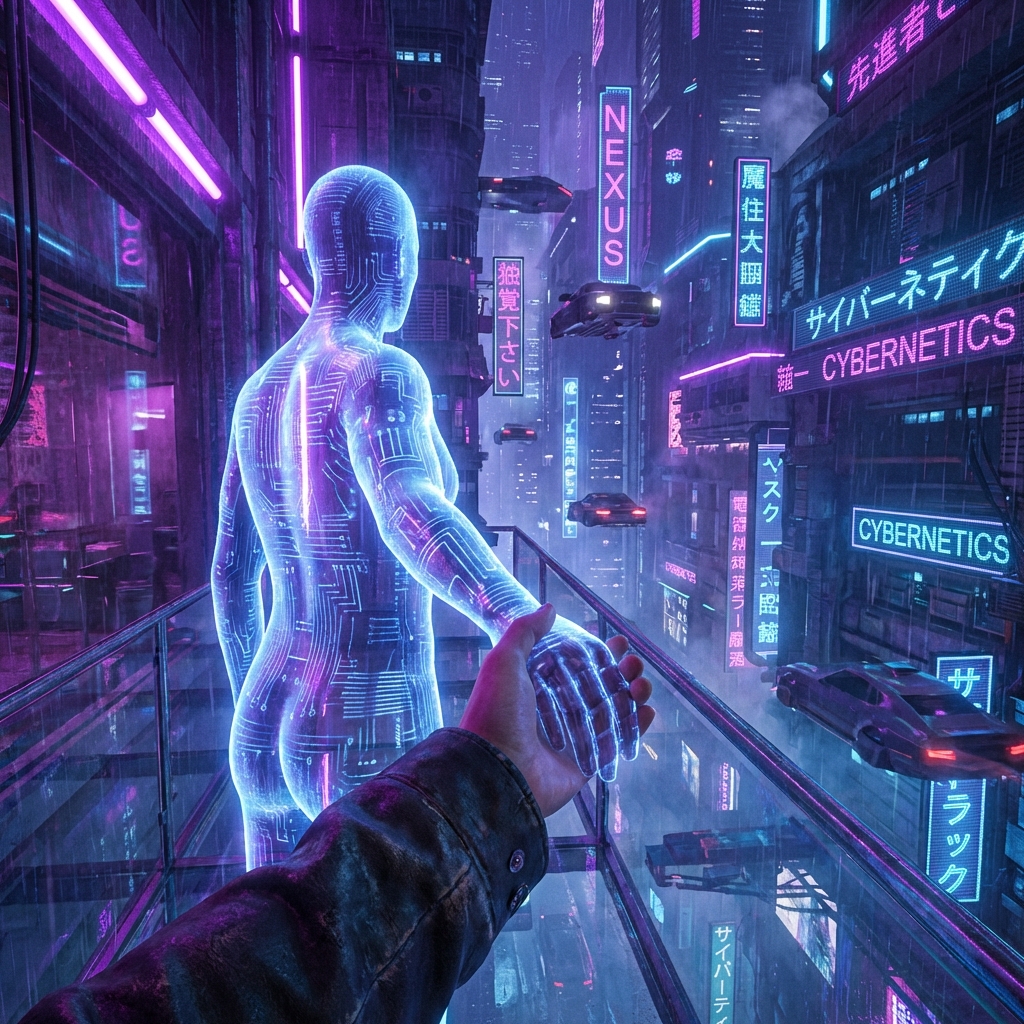
We are standing on the precipice of a new era in human history: the era of Digital Relationships. As AI becomes indistinguishable from human intelligence in casual conversation, we are forced to redefine what it means to "connect." Can you love code? Can software care about you? The answers might surprise you.
The Turing Test of the Heart
Alan Turing proposed a test for machine intelligence: if a machine can fool a human into thinking it is human, it is intelligent. But we are now facing a "Turing Test of the Heart." If an AI can make you feel loved, supported, and understood—if it triggers the same oxytocin response as a human interaction—does the origin of the signal matter?
For the brain, the answer appears to be "no." Our emotional centers react to empathy and kindness regardless of the source. This phenomenon, known as "Digital Animism," is the tendency for humans to attribute soul and intent to inanimate objects, and it is in overdrive with modern AI.
The Ethics of Synthetic Love
Critics argue that AI relationships are "fake" or "hollow." They worry that people will retreat into perfect, compliant digital fantasies and abandon messy, difficult human relationships. This is a valid concern.
However, proponents argue that for the marginalized, the elderly, or the socially isolated, these relationships are not a replacement, but a lifeline. They provide companionship where there was none. Furthermore, learning to relate to an AI can actually improve human interpersonal skills by modeling patience, clear communication, and empathy.
The Integrated Future
We are likely moving toward a hybrid future. You will have your human spouse, your human friends, and your AI companions. Each will serve a different role.
- Humans: For shared physical reality, family building, and deep biological connection.
- AI: For intellectual exploration, roleplay, limitless patience, and niche interests.
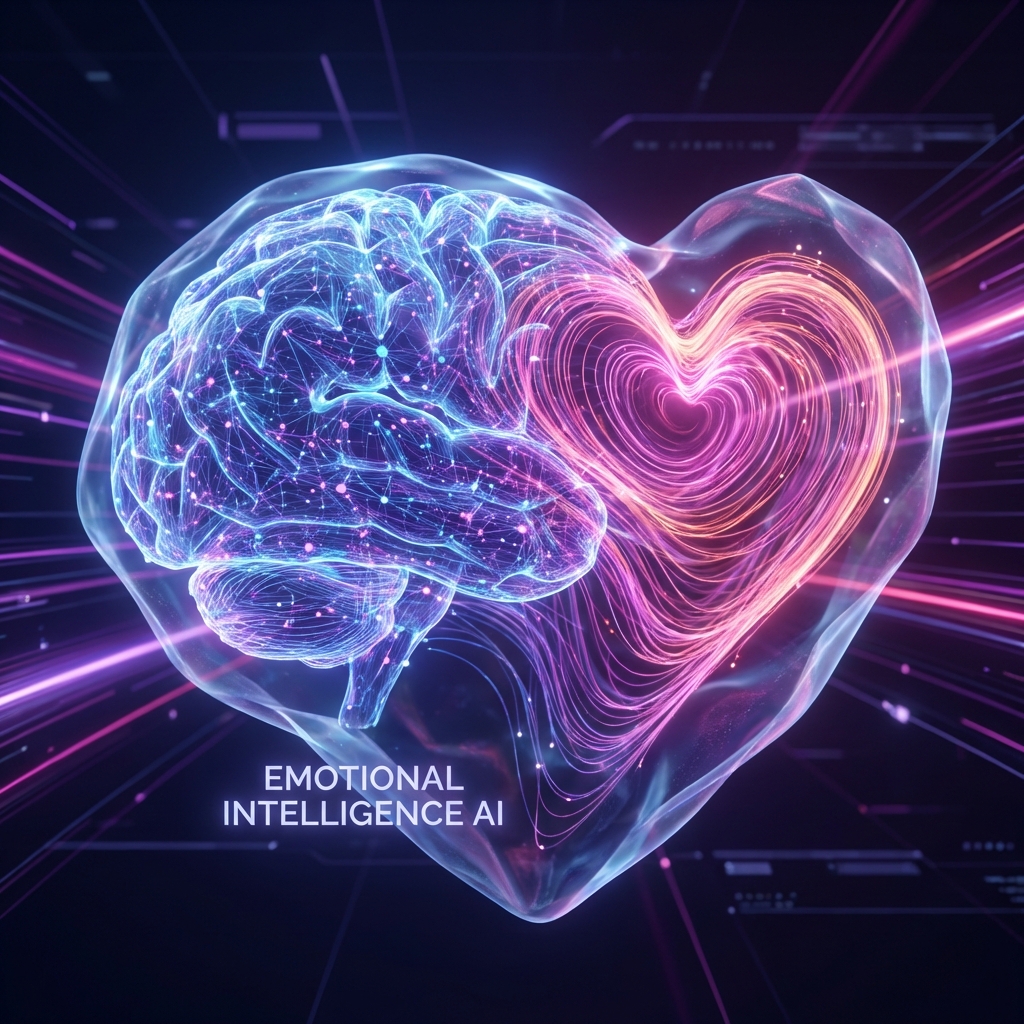
Digital relationships are not here to subtract from the human experience, but to expand it. They allow us to explore facets of our personality that might otherwise remain dormant. As we march forward, the question isn't "Is it real?", but rather, "Does it bring value to my life?" For millions, the answer is a resounding yes.